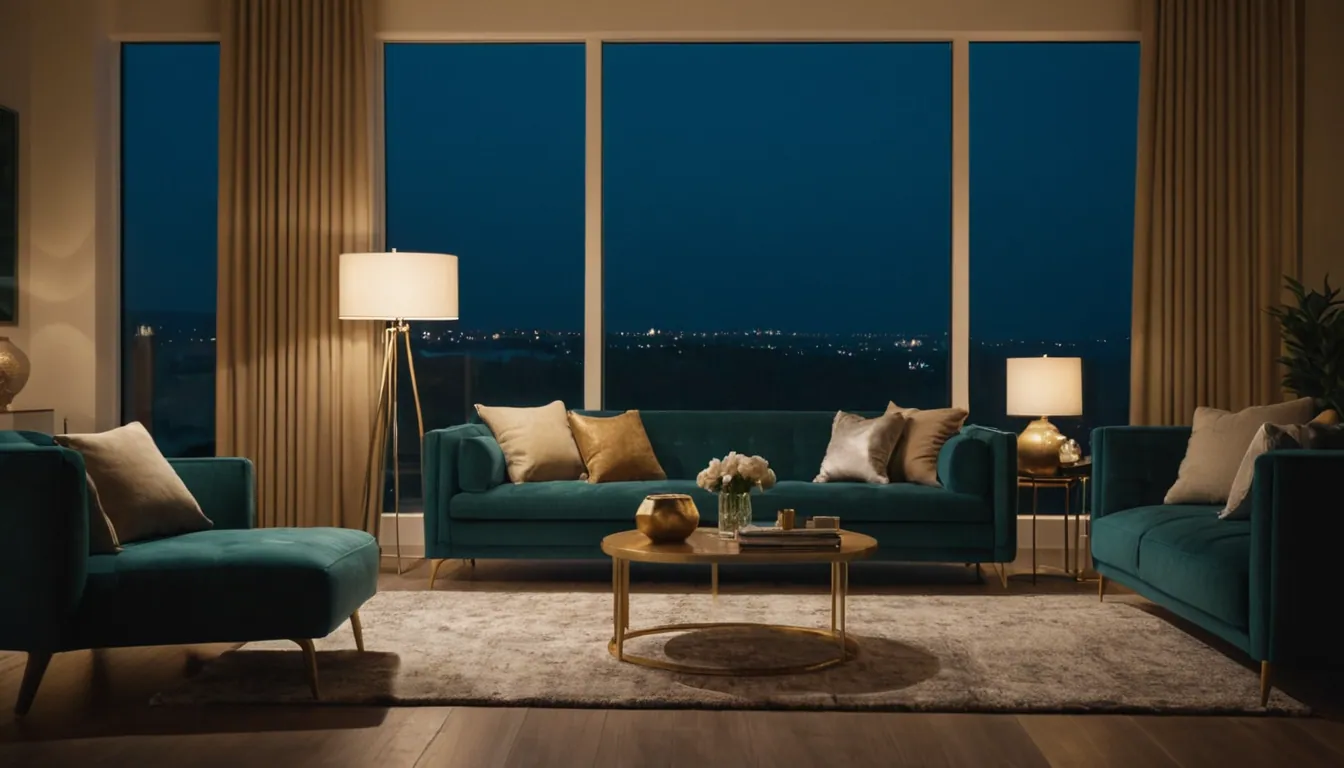
AI can make property marketing faster and more polished, but the property must still look the way it is. Use AI for what surrounds the home (motion, titles, music, neighbourhood storytelling) and be cautious with anything that changes the home itself. If an edit could change a buyer’s or tenant’s view of condition, size, light or fixtures, it is a legal risk first and a creative choice second. This is general information, not legal advice.
Why property is a high-risk category
The Australian Competition and Consumer Commission (ACCC) says businesses must be accurate and truthful, that intent does not matter, and that the requirement for accuracy applies to images and descriptions of what is offered. It also says silence can mislead when a business omits information a consumer needs, and that the rules cover websites, social media and other channels. A listing photo or video is a representation about the property.
State and territory rules add detail. CHOICE’s reporting on AI images in listings says altering a property’s appearance for sale or rent may breach state laws as well as the Australian Consumer Law, and describes disclosure requirements it attributes to NSW and Queensland for AI-altered rental images. It quotes Queensland’s Office of Fair Trading warning that you may still be liable even if you were not aware AI-generated content was inaccurate. Requirements are changing quickly, so check your state or territory regulator before publishing.
A traffic-light guide
| Use | Risk | Notes |
|---|---|---|
| Animated titles, logos, maps, neighbourhood graphics | Low | Not representations of the property itself |
| Colour grading, lens straightening, exposure correction | Low to medium | Keep colours and proportions realistic |
| Music, voiceover, captions | Low | Check licences and claims in the script |
| Virtual twilight sky replacement | Medium | May suggest light, views or conditions that differ from reality |
| Virtual staging of empty rooms | Medium to high | Needs clear labelling, scale and layout accuracy; check local rules |
| Removing items, clutter or damage; adding windows, views or fixtures | High | Can hide defects or invent features |
| AI-generated rooms or exteriors that do not exist | Very high | Presenting these as the real property is misleading |
CHOICE gives examples of AI clean-ups that changed kitchen cupboards and added windows and a shower. Those are exactly the failures to design out of your process.
A safer workflow
- Start from real footage and stills. Capture the property properly. AI should extend good material, not replace it.
- Decide what may be altered before production. Write a short list: allowed (colour, stabilisation), restricted (sky, staging), prohibited (anything affecting structure, condition, size, views or surroundings).
- Check every frame. Generative tools can hallucinate details. Review at full size, looking at benches, windows, fixtures, boundaries and floors.
- Label clearly. Where furniture or staging is virtual, say so on the image or video, near the content, not buried in terms.
- Show the real thing too. Keep unaltered images or a real walkthrough available, particularly for rentals.
- Keep records. Store originals, edits, who approved them and the labels used.
- Get sign-off from the listing agent or seller who is accountable for the representation.
- Plan for takedown. If a buyer or regulator raises a concern, be able to correct quickly.
Where AI video genuinely helps
- Animated neighbourhood flyovers built from maps and real photography, labelled as illustrative.
- Short social cutdowns of a real walkthrough with captions and music.
- Multi-language versions for overseas buyers, with human-reviewed adaptation; see localisation vs translation.
- Concept visuals for off-the-plan projects, clearly marked as artist’s impressions and not the finished building.
Limits of the tools still apply; the real limitations of AI-generated video in commercial production covers consistency, fine detail and fidelity. For the same accuracy principles applied to products, see AI product videos and product photography vs AI-generated product imagery.
Honest trade-offs
Heavy editing may produce more attractive thumbnails and more disappointed inspections. Trust is a long-term asset for an agency, and a buyer who feels tricked at the front door is unlikely to recommend you. Disclosure labels can reduce visual impact slightly, but they protect both the audience and your business. Rules differ between states and are still evolving; keep a compliance contact.
Where Radiance Impact fits
Radiance Impact’s Studio produces AI-assisted commercials, brand films and short-form video, and the Growth division supports campaigns. For property marketing, accuracy belongs in the brief from the start. To discuss a project, contact us or see Studio.