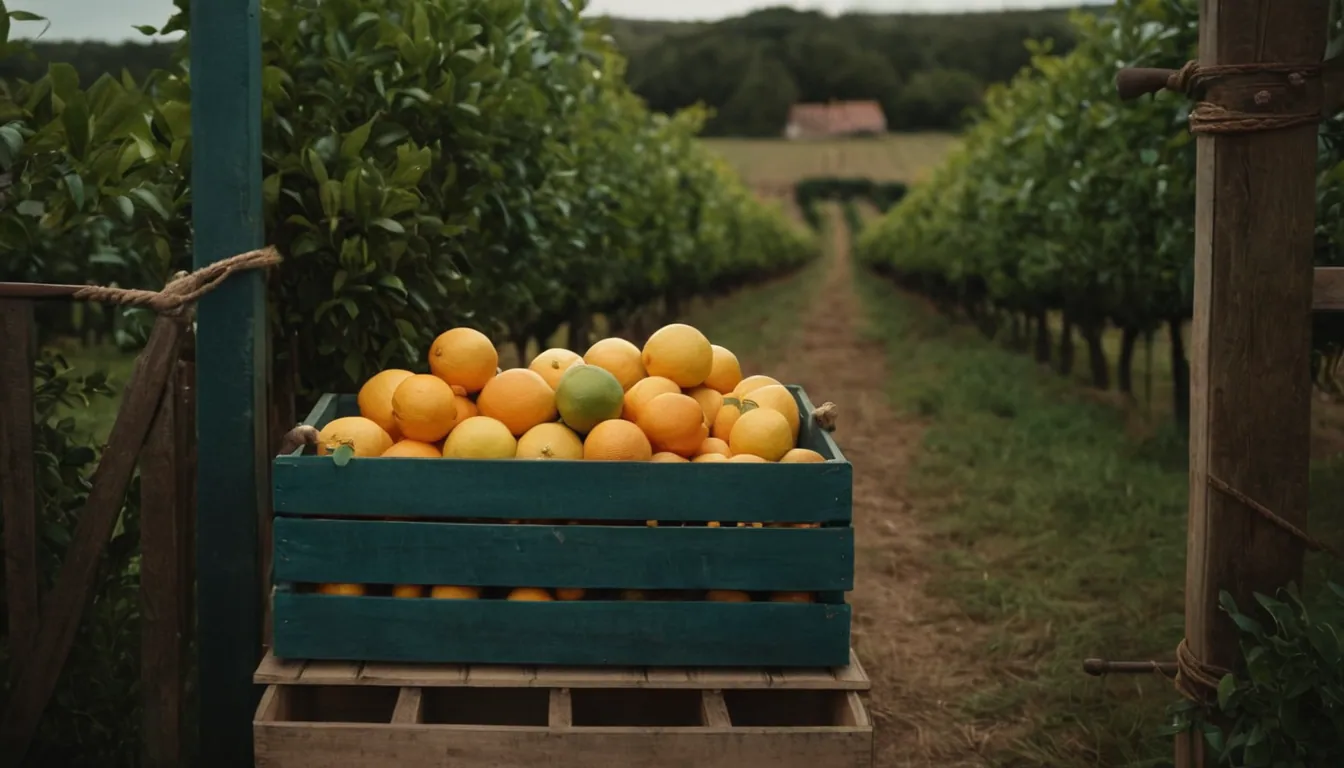
Australian origin can be a genuine selling point in Asian markets, but only when it is specific, provable and told in a way local buyers recognise. Generic claims of quality add little, while a clear account of where something was grown or made, and by whom, gives buyers something to trust. Just as important, any origin claim you make must be accurate, because Australian consumer law applies to it.
Start with what you can prove
Provenance is a set of facts, not an adjective. Before writing a line of copy, list the facts you could show a sceptical buyer: where raw materials were grown or sourced, where the last significant manufacturing step happened, who made it, and what records support each statement.
The ACCC explains that country of origin claims must be “true, accurate and based on reasonable grounds”, and that a claim can be express (words such as “Made in Australia”) or implied through images and symbols. That second point matters in marketing: a kangaroo, a map or a flag on pack can imply origin even if the words do not.
Know the defined terms
The ACCC page sets out how the Australian Consumer Law defines common phrases, and using them correctly provides a safe harbour defence:
| Phrase | Broad meaning (summarised) |
|---|---|
| Grown in | Main components grown in the country, and almost all processing done there |
| Produced in | Main ingredients or components from the country, and almost all processing done there |
| Made in | The last substantial change happened in the country |
| Packed in | Generally for food that cannot claim grown, produced or made in |
Failing a safe harbour does not automatically rule out a claim, but you then need to be confident an ordinary, reasonable consumer would not be misled. Overall impression counts too: a compliant phrase can still mislead if surrounding words or images suggest something false. This is general information, not legal advice, so confirm claims for your product with a qualified adviser.
Turn provenance into a story buyers can use
Be specific about place and people
“Grown on the Queensland coast” is more useful than “premium Australian quality”, and it is only usable if true. Name regions, growing or making methods, and standards you genuinely hold. Avoid superlatives you cannot evidence.
Translate meaning, not just words
What origin signals differs by market and product category: safety, freshness, season, craftsmanship or novelty may matter more or less. This is a research question, not an assumption. Our guide to localisation versus translation explains why adapted messaging usually works better than literal translation, and keyword research in other languages shows how to learn the terms buyers actually search.
Put proof where decisions happen
Place origin facts on pack, product pages, trade sheets and any marketplace listing. Keep one approved “provenance fact sheet” so every channel, distributor and translator uses identical wording.
Check the label rules in both places
Australian food labelling rules apply to food sold in Australia, and the business.gov.au guidance notes that most retail food needs a label saying where the ingredients come from. These are not the rules of the destination market. Each export market has its own labelling requirements, so verify them for your product category before printing packaging. Our article on how Australian brands can reach international audiences covers the wider picture, and Austrade and export support lists where to start for official help.
A short provenance checklist
- Facts listed, each with a record behind it.
- Phrases matched to the defined terms, or reviewed by an adviser.
- Images and symbols checked for implied claims.
- One approved fact sheet shared with partners.
- Destination-market claim and label rules checked locally.
- Messaging tested with people from the target market, not assumed.
Limits
Provenance does not replace price, availability, certifications or a good local partner. It also cannot be borrowed: a product assembled or packed elsewhere cannot lean on origin imagery the facts do not support.
Where Radiance Impact fits
Radiance Impact’s Global division supports localisation and adaptation of brand and campaign content for English- and Chinese-speaking markets. To talk through a project, contact us or see Localisation.
Sources
- Country of origin claims, ACCC
- Country of origin labelling for food, business.gov.au