A good creative brief is one to two pages that tell a creative team why the work exists, who it is for, what it must say, and what the limits are. It does not prescribe the solution. The clearer the problem and constraints, the better the ideas you get back, and the fewer rounds of revision you pay for.
What a brief should contain
NSW Government’s small-business creative guidance lists the core parts of a brief: project overview, goals and objectives, key considerations, audience profile, messaging, mandatory inclusions, deliverables, budget and timeline. Here is how to make each part work.
| Section | What to write | Common weakness |
|---|---|---|
| Overview | What the project is and why it exists now | A paragraph of company history instead |
| Objective | One measurable outcome the work should serve | “Raise awareness” with no yardstick |
| Audience | Who they are, what they care about, what they currently think | “Everyone aged 18 to 65” |
| Message | The single thing they should take away | Six messages competing |
| Mandatory inclusions | Logo, legal lines, colours, channels, formats | Discovered late, after concepts are drawn |
| Deliverables | Exact assets and sizes | “Some social stuff” |
| Budget | Total, and what it must cover | Hidden, so ideas are unaffordable |
| Timeline | Key dates, including approval windows | Ignoring your own review time |
Write it in this order
- Start with the problem, not the product. “New customers do not know we do X” beats “We need a video”.
- Choose one objective. If you have three, rank them.
- Describe the audience as people. Name a situation, not a demographic band alone.
- State the single-minded message. If it needs “and”, it is probably two messages. The idea of one proposition is explored in building a campaign around one creative idea.
- List constraints honestly. Budget, brand rules, legal requirements, things you refuse to do.
- Add references, with reasons. Examples are useful when you say what you like about them, such as pace, tone or colour, rather than just sending links.
- Name decision makers. Say who approves, and how many people will give feedback.
Mistakes that cost the most
- Prescribing the answer. If the brief says “a 30-second film with a drone shot”, you have removed the creative team’s chance to suggest something better.
- Vague success. Without a measure, approval becomes taste.
- Too many stakeholders at the end. Surprise opinions late in a project are the biggest source of rework. Agree who signs off before work starts.
- Missing brand material. Share guidelines, logo files and previous work up front. If you are unsure what a premium, consistent look requires, start with creative direction for lifestyle brands.
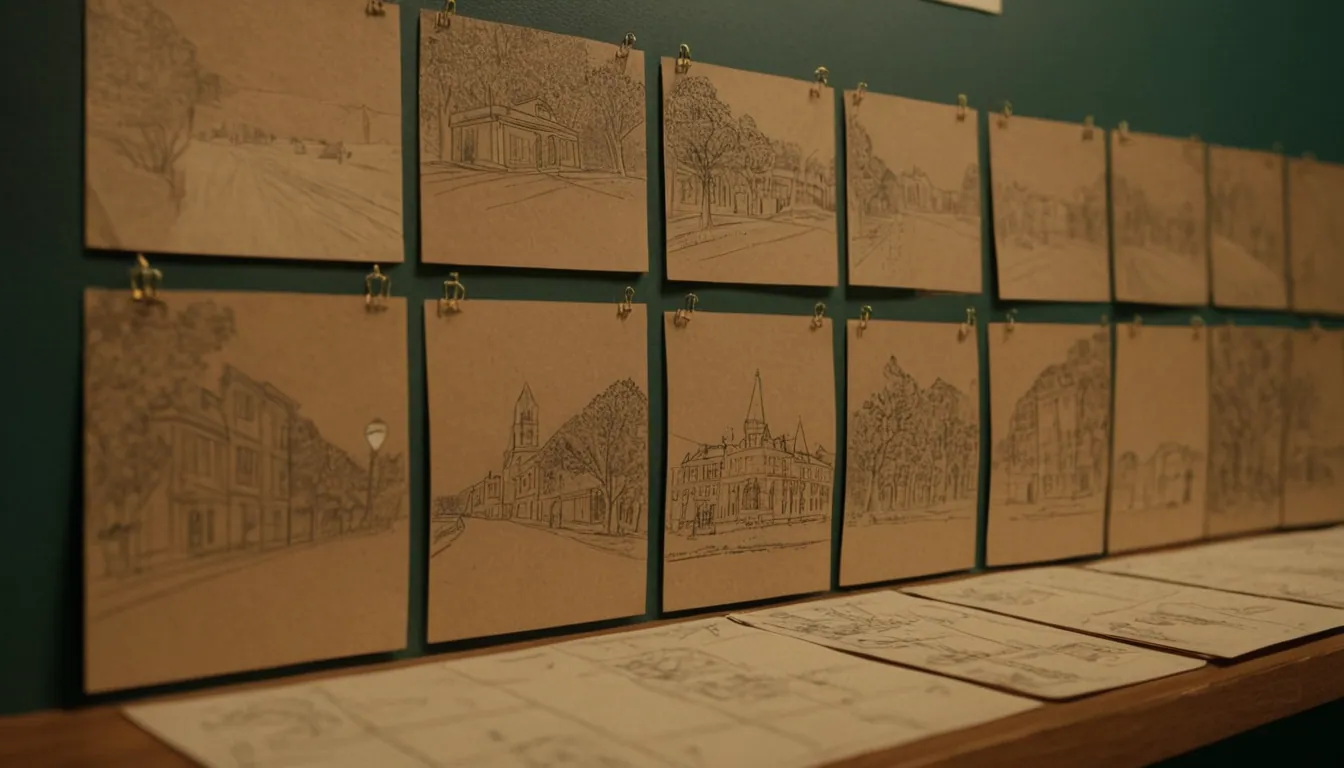
- Skipping the plan for what happens next. If the brief leads to film, agree how the idea will be previewed. See how to storyboard a commercial.
A short template you can copy
- Project name and one-sentence summary
- Background (three to five lines)
- Objective and how success will be judged
- Audience and the single message
- Tone: three words, plus three things to avoid
- Mandatory elements and legal requirements
- Deliverables, formats and where they will appear
- Budget and timeline, including review dates
- Decision makers and approval process
Applies to every discipline
The same structure works for a logo, a website, a product film or a campaign. Only the deliverables and constraints change. If a brief cannot be filled in, that is useful information: the project may not be ready to commission.
Where Radiance Impact fits
Radiance Impact’s Studio works across brand films, animation and short-form video, and a clear brief is the best starting point for any of it. Explore /studio or send an enquiry and share what you have, even if the brief is still rough.
Sources
- Brand out loud topic 2: creative briefs, NSW Government, Neon Marketplace
- Understand content design, GOV.UK Publishing guidance