

Insights
Branding & Creative Production
Identity, creative direction and campaign thinking that make a brand look and feel considered.
66 guides

A Brand Story Framework: Origin, Problem, Promise and Proof
A reusable four-part brand story framework (origin, problem, promise, proof) for telling a story that is specific and honest instead of generic.
Applying Brand Colour in Video and Motion: Grades and LUTs
How to keep brand colour consistent in video and motion graphics: reference values, colour-managed pipelines, LUTs, look transforms and approval checks.

Art Direction for Product Photography: Surfaces, Props and Light
How to art direct a product photoshoot: write a visual brief, choose surfaces, props and light, keep the product accurate and make images look like one brand.
Art Direction vs Creative Direction: Roles and Responsibilities
Creative direction sets the idea and standard; art direction shapes the visuals. See how the roles differ, overlap and hand off, and who you need.
Brand Architecture: Branded House, House of Brands and Hybrids
Branded house, house of brands, endorsed and hybrid models explained, with simple decision rules for structuring products and sub-brands under one company.

Brand Strategy vs Brand Identity: What Is the Difference?
Brand strategy decides what a brand stands for and who it serves; brand identity is how it looks and sounds. Learn the difference and the build order.

Brand Templates for Non-Designers: Keeping Teams On Brand
How to build brand templates non-designers can use: what to lock, what to leave editable, how to add approvals and how to keep templates current.

Brand Values That Mean Something: Avoiding Generic Statements
How to write brand values that guide real decisions: turn adjectives into behaviours, add trade-offs and tests, and avoid claims you cannot back up.
Branding a Startup: What to Build First and What to Defer
A minimum viable brand for startups: the few decisions to make first, how to check a name before investing, and which assets can safely wait.
Building a Consistent Visual Identity Across Digital Channels
How to keep a brand looking the same on web, social, video and email: guidelines, design tokens, templates, asset libraries and governance that stop drift.
Choosing Brand Typefaces: Pairing, Licensing and Web Performance
How to choose and license typefaces for a brand: pairing logic, licence types such as the SIL Open Font License, and web font loading that keeps pages fast.

Co-Branding and Brand Partnerships: How to Make Them Work
How to structure a co-branding partnership: partner fit, visual rules, trade mark licensing and control, honest claims and a campaign plan that holds up.

Commercial Image Licensing and Usage Rights Explained
What usage rights you need for commercial photography: licence scope, duration, exclusivity and buyouts explained plainly, with a checklist for your brief.

Creating an Image Style Guide for Photography and Illustration
How to document a consistent image style: crop, grade, subject, mood and accessibility rules, with do and do-not examples your whole team can follow.
Creative Direction for Luxury and Lifestyle Brands
What a creative director does for luxury and lifestyle brands: treatments, moodboards, light and pace, casting, protecting brand codes and briefing a team.

Creative Handover Checklist: Files, Fonts and Licences
A practical handover checklist for designers and clients: final files, fonts and licences, source files, usage rights and archiving, so nothing is lost later.

Cultural Sensitivity in Creative Work: Imagery, Symbols and Colour
A practical checklist for avoiding cultural missteps in imagery, symbols, gestures and colour, with guidance on local review and First Nations content.

Designing a Campaign Key Visual That Works Across Formats
What a campaign key visual is, how to build one with safe areas and flexible layers, and how to adapt it across ad, social and print formats.
Designing a Creative Approvals Process That Avoids Bottlenecks
Streamline creative approvals with clear roles, staged sign-off and rules for feedback. Includes a stage table, a DACI and RACI comparison and common traps.

Designing for Print and Digital: Key Differences
How designing for print differs from screen: RGB and CMYK colour modes, resolution, bleed, typography and file formats, with a handoff checklist for both.

Environmental Branding: Signage, Wayfinding and Space
How brands turn identity into physical space: a signage hierarchy, wayfinding principles, legibility rules, materials and accessibility points to plan early.

Evolving a Heritage Brand Without Losing Recognition
How to modernise an established brand without alienating loyal customers: audit what people recognise, change gradually, and check trade mark implications.
Experiential and Event Creative: Designing Brand Moments
How to design a brand event or activation: concept, visitor flow, approvals, privacy and promotion rules in Queensland, and capturing content.

Following Design Trends vs Building Timeless Brand Design
Should your brand follow design trends or aim to be timeless? A practical framework for deciding what to adopt, what to hold steady and how to refresh.

Founder-Led Branding: A Personal Brand That Supports the Business
How founders can build a personal brand beside the company brand: what to separate, what to share, and the advertising and misleading-claims risks to avoid.

How Campaign Concepts Are Developed: From Insight to Big Idea
See how agencies and studios move from a brief and an audience insight to a campaign concept, and how to test an idea before production begins.

How to Brief a Photographer: What to Include
What to tell a photographer before a commercial shoot: objectives, shot list, styling, usage rights and agreements, with a checklist you can copy.

How to Build a Brand Campaign Around One Strong Creative Idea
Learn how to build a campaign on one single-minded creative idea: write the proposition, separate idea from executions, extend it across channels and test it.

How to Build a Mood Board That Guides Real Decisions
How to build a mood board that works as a decision tool: start from a brief, choose keywords, curate hard, test it against real choices and keep it current.

How to Build a Shot List and Coverage Plan
Write a shot list for a commercial or brand shoot: the columns to include, how to plan coverage, group setups and mark priorities so the day runs on time.

How to Choose a Brand Colour Palette That Works in Practice
Choose brand colours by job, not mood: define roles, test WCAG contrast, plan for print and screen, and document the palette for consistent use.

How to Choose a Branding Agency or Studio
What to look for when hiring a branding studio: fit, process, proposal review, IP ownership terms and red flags to watch for before you sign.

How to Define a Brand Voice and Tone Guide
Define a consistent brand voice and flexible tone: choose attributes, place them on four tone dimensions, set context shifts and write do and do-not examples.

How to Give Creative Feedback That Improves the Work
How to give design and creative feedback that improves the work: tie comments to the brief, separate taste from problems and use a simple structure.
How to Keep Brand Consistency When Working With Multiple Agencies
Keep one brand across several suppliers with clear governance, a single source of truth, handover assets, approval gates and contracts that settle ownership.
How to Name a Business or Product: Process, Criteria and Checks
A practical process for naming a business or product: criteria, shortlisting, domain checks, ASIC and IP Australia trade mark searches, and common mistakes.
How to Roll Out a Rebrand Without Confusing Customers
A phased rebrand rollout plan: internal alignment, asset inventory, business registration updates, website redirects and announcement sequencing.

How to Run a Brand Audit: A Practical Checklist
Run a brand audit in five steps: collect every touchpoint, score consistency, check accessibility and trade marks, then fix the gaps in priority order.
How to Scope a Creative Project and Avoid Scope Creep
Define creative scope with clear deliverables, assumptions, revision rounds and a change process, so budgets and timelines stay predictable for both sides.
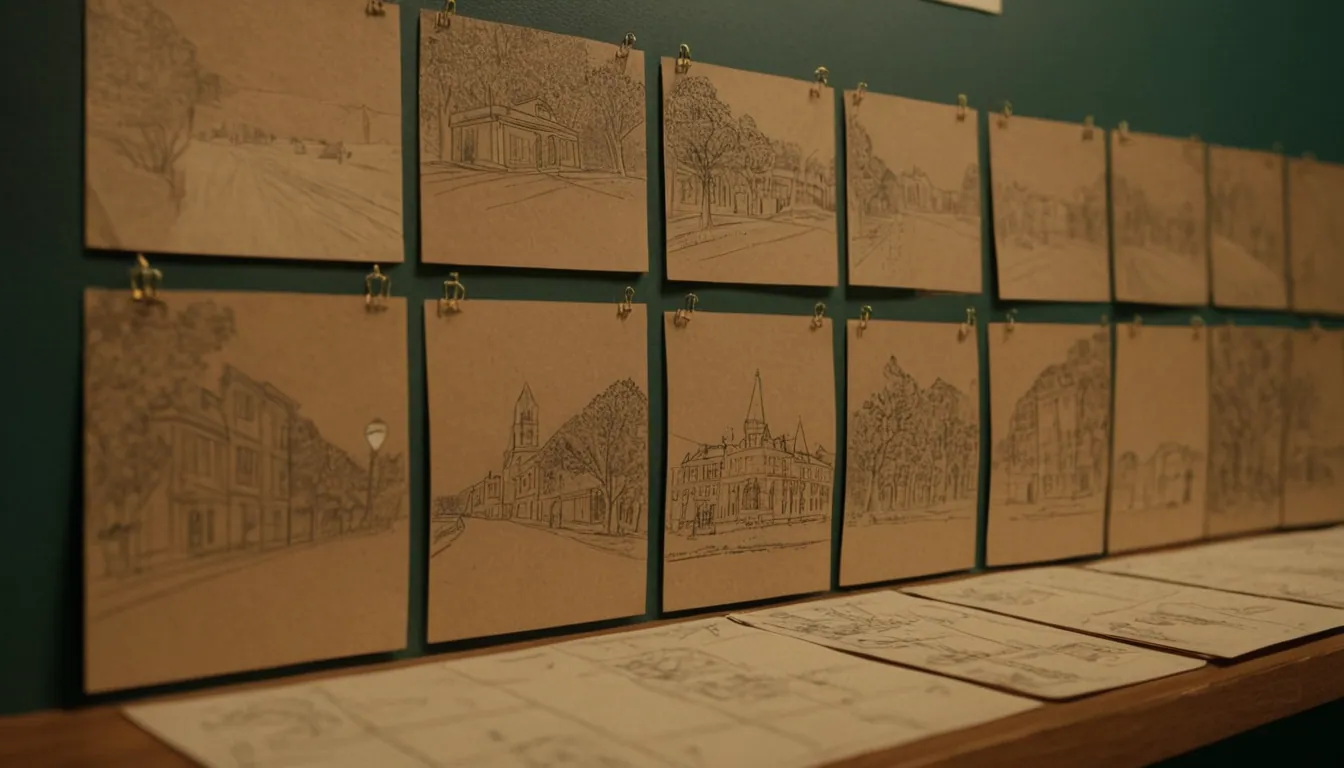
How to Storyboard a Commercial Before Production
A step-by-step process for storyboarding a commercial: script, beat sheet, shot types, frames, animatic, timing and approvals, including AI previs for boards.
How to Write a Brand Positioning Statement
Learn how to write a brand positioning statement in five parts: audience, frame of reference, point of difference, reason to believe and a test to check it.

How to Write a Creative Brief That Gets Better Work
What belongs in a creative brief, a simple template to follow, and the common mistakes that lead to vague work, extra revisions and blown timelines.

How to Write a Tagline That Lasts
How to develop a strong tagline or campaign line: criteria, a testing process and the trade mark and misleading-claims checks to run before you commit.

Icon Systems: Designing Consistent Icons for a Brand
How to design or choose a consistent icon set: grid, stroke weight, visual metaphors and licensing, with practical checks before you commit to a set.

Inclusive Brand Design: Contrast, Language and Representation
How to make brand creative accessible and inclusive: WCAG contrast ratios, not relying on colour alone, legible type, plain language and fair representation.

Lifestyle vs Studio Photography for Brand Imagery
Lifestyle or studio photography? See where each works by funnel stage and channel, including marketplace image rules, so your brand imagery does its job.

Location Scouting for Brand Shoots: A Practical Guide
How to scout and secure locations for a brand shoot: a scouting checklist, permits and permissions, releases and Queensland-friendly considerations.

Logo File Formats: SVG, PNG, PDF and When to Use Each
Which logo file formats a business needs: vector versus raster, SVG for the web, PNG for transparency, PDF for print, plus a practical delivery package.

Making Sustainability Claims Without Greenwashing: Australian Guidance
Talk about sustainability without breaching consumer law: the ACCC eight principles, common problem claims, evidence habits and a pre-publish checklist.

Packaging Design Fundamentals: Structure, Hierarchy and Compliance
What should you consider when designing product packaging? Structure, information hierarchy and Australian labelling basics including origin and allergens.

Photo Editing and Retouching Workflow for Brand Imagery
A practical photo editing and retouching workflow for brand imagery: culling, colour, cleanup, consistency across a set and honest limits on what you can edit.

Presentation Design That Supports the Message
How to design a business presentation that persuades: structure the story first, set slide hierarchy, use templates with brand rules, and keep it accessible.

Product Photography vs AI-Generated Product Imagery
Compare real product photography with AI-generated imagery on accuracy, marketplace rules, Australian Consumer Law and cost drivers, plus a hybrid approach.

Rebrand or Refresh? How to Decide Which One Your Business Needs
A decision framework for choosing between a full rebrand and a visual refresh: the triggers, the risks, and what to protect, including trade marks and SEO.

Setting Up a Brand Asset Library for a Small Team
Set up a brand asset library without enterprise tools: folder structure, naming rules, permissions and metadata so people always find the right file.
Sonic and Motion Branding: Beyond the Logo
What sonic and motion identities are, when a brand needs them, and how to specify and implement sound logos and motion systems without hurting accessibility.

Storyboard Styles: Thumbnails, Boards and Animatics Compared
Compare thumbnail sketches, full storyboards and animatics by purpose, effort and approval value, and choose the right level of detail for your project.

Testing Creative Before Launch: Methods That Do Not Need Huge Budgets
How to test creative concepts before committing budget: concept checks, small panels, A/B variants and in-platform experiments, plus their limits.
The Logo Design Process: From Research to Final Files
The steps of a professional logo design process, from brief and research to concepts, refinement and final files, plus ownership and trade mark checks.

The Shot Types Every Brand Photo Library Needs
A balanced brand photo library mixes hero, detail, context, process and people images. Use this checklist to plan shots and avoid gaps before a shoot.

Using AI to Extend a Brand Image Library Responsibly
How AI can extend a brand image library without breaking the brand: governance, style-locking, disclosure, content credentials and a human review process.
Visual Storytelling Principles for Brand Content
What makes visual content tell a story? Practical principles for brand images and graphics: hierarchy, contrast, sequence, proximity and symbolism.

What a Creative Director Does and Why Small Businesses Need One
What creative direction involves, what a creative director decides, and how a small business can tell when to bring one in, part-time or for a single project.

What Makes a Brand Look Premium? Signals, Audit and Fixes
Premium is a pattern of restraint, consistency and care, not a price tag. Learn the visual and behavioural signals buyers read, plus an audit checklist.

What to Include in Brand Guidelines (and What to Leave Out)
A usable brand guidelines document covers logo, colour, type, imagery, voice and governance. Learn what to include, what to cut and how to get teams using it.
When to Use Illustration in Brand Communication
When illustration works better than photography for a brand, how to build a consistent illustration style, and the basics of commissioning and licensing work.
Planning work in this area? Creative & AI Production or start a project.