A brand film is planned backwards. Start with the one thing the film must change in a viewer’s mind, choose a story that carries it, and then list every file you will need at the end, including the shorter versions. Teams that decide deliverables before production avoid the common problem of a beautiful hero film that cannot be cut down for the places people actually watch.
Step 1: Decide what the film is for
Write a single sentence: “After watching, [audience] should feel or understand [one idea].” If you cannot, the film is not ready to plan. Then settle three things:
- The audience. One primary group, not “everyone”.
- The role. Is it a launch piece, a brand introduction, a recruitment film, an event opener or something to sit on the website’s home page?
- How it will be judged. Decide the measures in advance, such as completion rate, enquiries from the page that hosts it, or internal approval against the brief. Measuring creative campaign performance discusses what to look at beyond views.
The AI video brief template lists the fields worth completing before anyone writes a script.
Step 2: Choose the shape of the story
Brand films tend to follow one of a few shapes. Pick the one that fits your idea.
| Shape | Works when | Watch out for |
|---|---|---|
| Origin or purpose story | The reason the brand exists is distinctive | Self-congratulation; keep the audience as the hero |
| Customer or user moment | You can portray a real or clearly fictional scenario | Never present a staged scene as a real testimonial |
| Process or craft | How it is made is the appeal | Slow pacing without a payoff |
| Mood or manifesto | The brand is about a feeling or a belief | Vagueness; anchor it in a concrete image |
| Product in the world | A product is the star | Misrepresenting what the product does or looks like |
On accuracy: Australian consumer law prohibits misleading representations, so anything shown or said about a product or service should be true. Check the current rules with the ACCC or a lawyer.
Step 3: Set the length and structure
Length follows content, not the other way round. A three-act structure is a safe default: set up the situation, introduce the tension or insight, resolve with the brand’s role. Within that, plan the first few seconds to earn attention, because many viewers will leave early. Plan how the film will begin without sound, as well, since people often watch muted.
Build the structure in three documents, each approved before the next begins:
- Treatment: a one or two page description of the idea, tone and visual approach.
- Script or narration outline: the words, and where the words are not needed.
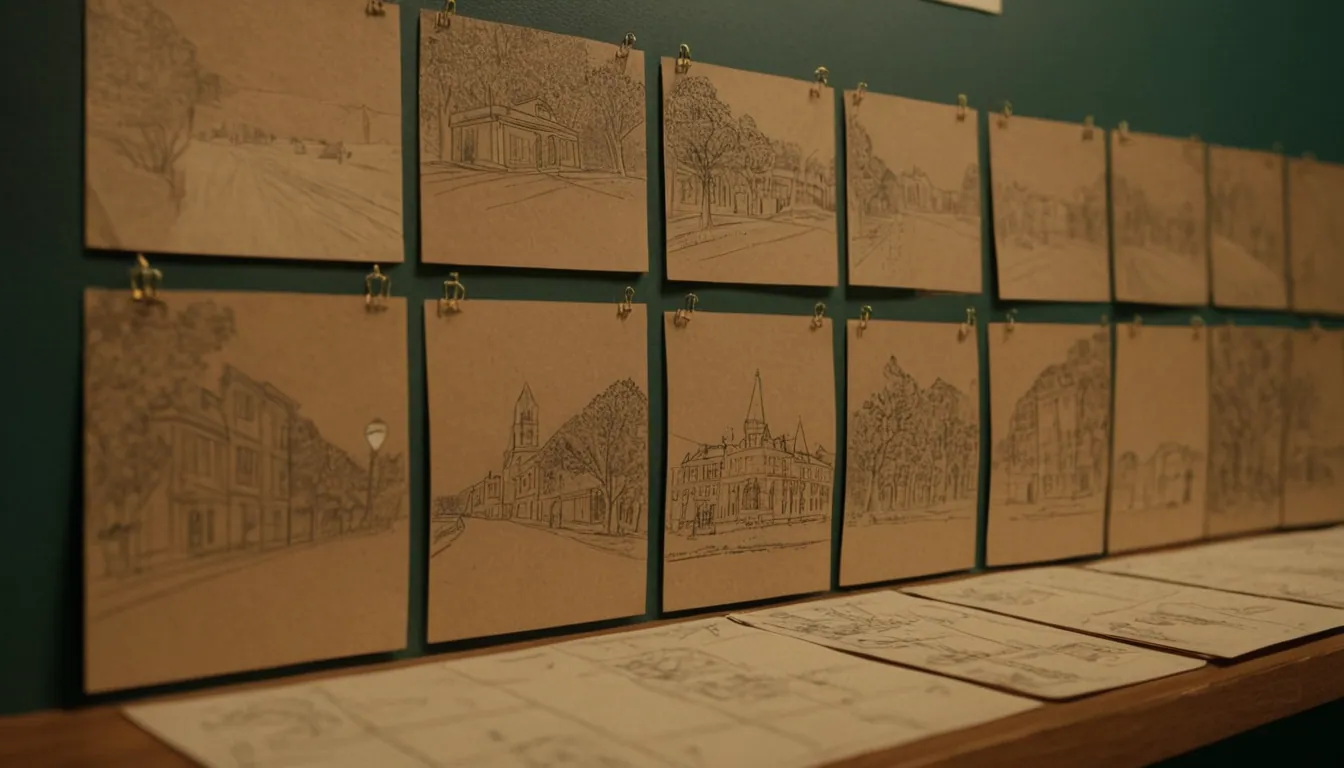
- Storyboard or animatic: frames and timing. See storyboarding commercials for the process.
Step 4: Choose the production route
Brand films can be filmed, generated, animated or combined. Decide based on what the story needs to show:
- Live action suits real people, places and products where authenticity matters.
- AI-generated or AI-assisted footage suits scenes that would be impractical to shoot, stylised worlds and fast iteration of concepts, with human direction and review at each stage.
- Animation or motion graphics suits abstract ideas and explanatory content.
- Hybrid combines them, for instance real packshots with generated environments.
Longer films stress the weaknesses of generated footage, especially consistency of characters and products across many shots. The short film pipeline shows how a longer piece is organised so that consistency is managed on purpose.
Step 5: List deliverables before you shoot or generate
This is the step most often skipped. Write the deliverables list into the brief, with technical specifications confirmed from the platforms you will use. For example, YouTube’s help page lists 16:9 as its standard aspect ratio, with recommended resolutions from 240p up to 8K, and advises against adding padding or black bars into the video itself, noting that vertical formats such as 9:16 may be padded on computers (YouTube Help). Specifications change, so check the current page on delivery day.
A typical deliverables list:
- Hero film at full length, in the master format.
- Cut-downs at shorter lengths for social and paid placements.
- Vertical and square reframes, planned during framing, not salvaged later.
- Captioned versions. W3C guidance describes captions as a synchronised text version of speech and relevant sounds, most commonly delivered as a WebVTT file, and notes that automatic captions only count when fully checked and corrected (W3C WAI).
- Subtitle or voice versions for other languages, if relevant.
- Stills, thumbnail frames and a poster image.
- Music and voice licences, with their permitted territories and media.
- An archive of project files and approved versions.
Step 6: Plan approvals and the calendar
Name who approves at each stage, and how many rounds of feedback are included. Late changes to the concept cost far more than early ones, so concentrate review at treatment, script and animatic. Give sound, grade and subtitles their own time, since they are often squeezed at the end. The production timeline article shows how stages typically fit together.
A short pre-production checklist
- One-sentence purpose written and agreed.
- Audience, role and success measures stated.
- Story shape chosen and treatment approved.
- Production route decided, with reasons.
- Deliverables list with formats and languages.
- Rights cleared for music, people and any third-party material.
- Approvers and feedback rounds named.
Where Radiance Impact fits
Radiance Impact’s Studio division produces brand films and trailers, AI commercials, animation, short-form video, post-production, and voice and sound. If you are scoping a brand film and want help turning a purpose into a plan and a deliverables list, start a conversation at /contact.
Sources
- YouTube video resolution and aspect ratio, YouTube Help
- Captions and subtitles, W3C Web Accessibility Initiative